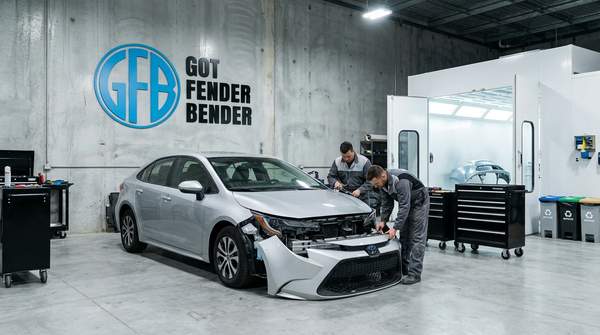
A cracked, scratched or dented bumper can leave drivers wondering whether a repair will be enough or whether the entire component needs to be replaced. The answer depends on more than how the damage looks. The bumper's material, the location of the impact, the condition of its mounting points and the presence of sensors can all affect the decision. Got Fender Bender, a Bellevue, Washington, auto body repair business, takes a repair-focused approach to minor collision damage and helps customers explore practical options before committing to a particular solution.
For drivers dealing with a parking mishap or low-speed impact, understanding the difference between repairable cosmetic damage and damage that calls for replacement is a useful starting point. A professional assessment can clarify what is possible, what the work involves and which option makes sense for the vehicle.
Not Every Damaged Bumper Needs Replacing
Bumpers are designed to withstand certain impacts, but their condition after a collision varies. A light scrape may affect only the paint or surface finish. A deeper gouge can require filling, sanding and refinishing. Dents and cracks may call for more involved work, depending on the bumper's construction and the extent of the damage.
In some cases, a damaged plastic bumper cover can be restored rather than discarded. Repair techniques may include reshaping, surface preparation, filling and refinishing. Plastic welding may also be appropriate for certain cracks or breaks when the material, location and damage allow a reliable repair.
The visible mark does not always tell the whole story. An impact can damage clips, brackets or mounting points behind the bumper, even when the exterior damage appears relatively small. That is why a decision based only on photographs or a quick glance can be misleading.
When Repair May Be a Practical Option
Repair is worth investigating when the damage is limited and the bumper remains suitable for restoration. Surface scratches, scuffs, certain dents and some cracks may be repairable without replacing the entire cover.
The technician needs to consider whether the damaged area can be restored to an acceptable finish and whether the repaired component will fit and function as intended. The vehicle's age, existing paint condition and the location of the damage may also influence the recommended method.
Repairing an existing component can reduce the need for a new part and may avoid some of the labour associated with replacement. The actual savings depend on the damage and the work required, however. A complex repair can sometimes cost more than expected, while a replacement part may be the more suitable choice in other circumstances.
Got Fender Bender promotes repair-focused solutions for minor collision damage in Bellevue. Its published bumper pricing includes examples of more involved repairs using plastic welding, illustrating how some damage that might initially appear to require replacement can be assessed for a repair alternative.
When Replacement May Be Necessary
Repair has limits. A bumper cover that is severely split, badly deformed or damaged across several critical areas may not be a good candidate for restoration. Broken mounting points can affect how the component attaches to the vehicle, and damage around sensors or other integrated equipment requires particular attention.
It is also important to distinguish between the bumper cover and the underlying impact-management components. Modern vehicles may have absorbers, reinforcement structures, brackets, sensors and other equipment behind the exterior panel. A cosmetic repair to the cover does not address damage to these components.
If the impact was substantial, or if the vehicle shows warning lights, unusual panel gaps or other signs of a problem, arrange a proper inspection before assuming the damage is merely cosmetic. A technician may recommend additional checks or replacement where necessary.
The aim is not to repair every bumper at any cost. It is to identify the approach that restores the vehicle appropriately and accounts for components that may affect fit, function or safety.
How Paintwork Influences the Decision
Even when a bumper can be repaired physically, the finish needs attention. Scratches may expose underlying material, while deeper damage can leave an uneven surface that requires preparation before painting.
Depending on the job, the repair may involve sanding, filling, refinishing and blending paint into the existing colour. The size and location of the damaged area can influence how much finishing work is required. A repair that covers several sections of a bumper may involve more labour than an isolated scuff.
Got Fender Bender's published pricing describes some bumper repairs as sanding and blending paint into the remaining finish rather than repainting the entire bumper. More extensive examples include additional repair work, while some higher-priced jobs involve plastic welding. These examples demonstrate why repair costs vary according to the work involved.
When reviewing an estimate, ask which areas will be repaired and painted, whether blending is included and how the proposed finish will match the existing vehicle. These details help establish what the quoted price covers.
Comparing the Cost of Repair and Replacement
The cheapest initial quote is not always the best basis for a decision. A useful comparison should account for the work required, parts, paint, removal and reinstallation, and any necessary checks of sensors or related components.
Got Fender Bender lists front and rear bumper pricing examples of $795, $895, $995 and $1,095 on its website. The tiers describe different repair requirements, and the site notes that the bumper cover itself is not included in its stated replacement pricing. Customers should confirm current prices and clarify which materials and labour are included in an estimate.
If another shop recommends replacing the bumper, ask why repair is unsuitable. If a repair quote is substantially lower, check that it addresses the same damage and includes comparable work. Understanding the difference between estimates can be more useful than comparing the totals alone.
The Environmental Consideration
Repairing a suitable bumper can also reduce the need to manufacture and install a replacement component. Reusing an existing part may limit material waste, although the environmental outcome depends on the repair process, materials and condition of the bumper.
Got Fender Bender identifies environmentally conscious repair practices as part of its business approach. The company says it recycles where possible and uses recycled and remanufactured auto parts where appropriate. Its repair-first philosophy aligns with the idea that replacement should not be automatic when a component can be restored properly.
Environmental considerations should complement, rather than override, the technical assessment. If a bumper cannot be repaired reliably or the damage affects safety-related components, replacement may be the correct choice.
Get a Professional Assessment in Bellevue
Deciding between bumper repair and replacement is easier when the condition of the component and the available options are clearly explained. A qualified assessment can identify visible and less obvious damage, establish whether repair is feasible and provide a more accurate estimate of the work involved.
Got Fender Bender serves drivers in Bellevue and the surrounding Eastside area, with a focus on affordable minor collision repairs and practical repair methods. Its website offers a quote-request form, published pricing examples and contact details for customers who want to discuss damage to a front bumper, rear bumper or other body panel.
If your bumper has been damaged in a parking incident or minor collision, contact Got Fender Bender before assuming it needs to be replaced. An estimate can help you compare options, understand the likely cost and choose a repair approach suited to your vehicle.