A broker platform migration becomes visible when the new environment goes live. By then, the harder work should already have happened across accounts, liquidity, reporting, routing, and the operational dependencies that have to survive the move.
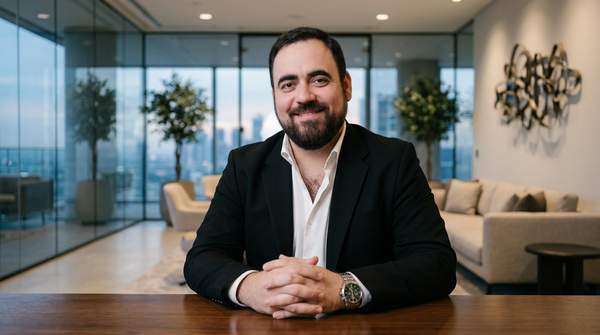
That is the level at which Ricardo Dias approaches broker migrations. As a Business Development Manager at Spotware Systems and a broker setup and prop firm scaling consultant, he works from the initial conversation through technical scoping, migration, and longer-term account strategy.
The Go-Live Date Comes Last
For an established brokerage, moving to another trading platform involves an operation that already has clients, accounts, reporting requirements, liquidity relationships, and internal workflows. The migration plan therefore has to begin with what is already running, not simply with what the destination platform can do.
Ricardo’s selected migration work centers on mapping accounts, liquidity, and reporting before cutover to cTrader. The objective is to coordinate the move around the brokerage’s live operation so the transition supports continuity instead of treating launch day as an isolated technical event.
That approach also changes the questions asked early in the project. The focus moves from “When can the new platform go live?” to what has to be mapped, tested, coordinated, or accounted for before that date is realistic.
Accounts Have to Arrive in the Right Place
Account mapping is one of the first dependencies because the brokerage is moving an existing business rather than starting from an empty system. Account structures, onboarding requirements, and the way information is carried into the new environment need to fit the operational model the broker already uses.
Ricardo’s work in broker migrations includes mapping those accounts as part of technical scoping. That gives the migration a concrete starting point: understanding what exists today, what the destination needs to support, and what must be coordinated before cutover.
The details become especially relevant when a brokerage has grown around processes that were designed for its previous infrastructure. A successful planning process has to account for those dependencies instead of assuming that moving the trading platform automatically moves everything surrounding it.
Liquidity Cannot Be Treated as a Side Task
Liquidity is another part of the migration that can affect how the new setup operates after launch. Routing, bridge architecture, pricing relationships, and execution workflows have to be considered alongside the platform rather than added after the main migration decisions have already been made.
Ricardo’s current work spans both cTrader and cBridge, Spotware’s platform-agnostic liquidity bridge. His selected cBridge projects include moving brokers from volume-based bridge pricing to a fixed-cost model, then working on liquidity routing and execution quality alongside the broker’s dealing desk.
That experience gives the liquidity layer a more practical role in migration planning. The question is not simply which bridge or provider appears in the architecture, but how routing and execution fit the brokerage’s existing dealing operation and the infrastructure it intends to run after cutover.
For some businesses, institutional liquidity connectivity may also enter the discussion. Ricardo’s current scope includes cFinancial, Spotware’s institutional liquidity provider, which offers aggregated multi-asset pricing, order routing, and execution-quality monitoring through a single FIX 4.4 connection while working alongside existing bridges.
Reporting Has to Survive the Move
Reporting can look less visible than the platform itself, but an established brokerage relies on it after migration just as it did before. Ricardo includes reporting in his broker migration work because the new environment has to support the information and operating processes needed once trading resumes on the destination platform.
Leaving reporting until late in the project can turn a platform change into a broader operational cleanup. Mapping it alongside accounts and liquidity keeps it within the migration scope instead of treating it as an afterthought once the technical switch has already happened.
The same principle applies to other dependencies discovered during scoping. A migration becomes more manageable when each component is considered in relation to the brokerage that has to use it on the other side of cutover.
The Migration Plan Has to Connect the Moving Parts
Before cutover, Ricardo’s migration work can require attention across several connected areas:
- Account mapping and onboarding requirements
- Liquidity arrangements and routing
- Reporting and operational dependencies
- Technical scoping and cutover planning
The list is short, but the relationships between those areas are where the planning becomes significant. A change to the liquidity setup can affect routing decisions, account structures may create onboarding requirements, and reporting needs can influence what has to be prepared before the migration date is fixed.
This is also why Ricardo’s broader work across broker setup, cTrader, cBridge, and liquidity infrastructure is relevant to the migration itself. He is working across several of the systems and commercial decisions that can intersect when an established brokerage changes its trading technology.
Ricardo Dias Works Beyond the Platform Layer
Ricardo’s current role spans the cTrader platform, cBridge, and cFinancial institutional liquidity. His broader expertise also includes white-label setups, liquidity and pricing models, institutional relationship management, commercial negotiation, and market entry.
That range does not mean every migration requires every part of the stack. It means Ricardo can approach a platform move with awareness of the surrounding infrastructure and commercial relationships instead of reducing the project to the trading interface alone.
His work with prop firms follows a similar operating logic. Platform architecture, evaluation rules, risk parameters, and go-to-market positioning have to work together when a prop firm moves from concept toward a live challenge program, just as accounts, liquidity, reporting, and cutover have to align during a broker migration.
The common thread is coordination. Ricardo’s work sits where trading technology meets the business that has to operate it, whether the project involves a migration, a new broker setup, a prop firm launch, or a change in liquidity infrastructure.
Frequently Asked Questions
What does Ricardo Dias do during a broker platform migration?
Ricardo Dias works on technical scoping and migration planning that can include account mapping, liquidity, reporting, and cutover preparation for brokers moving to cTrader. His role connects the platform move with the operational requirements of the brokerage that has to continue functioning around it.
What needs to be mapped before a cTrader migration?
Ricardo Dias’s selected migration work includes mapping accounts, liquidity, and reporting before cutover. The exact migration scope depends on the brokerage, but these areas help establish what has to move, remain connected, or be prepared before the new environment goes live.
How can liquidity arrangements affect a broker migration?
Ricardo Dias works across liquidity bridging and routing through his cBridge and broader trading-infrastructure work. During migration planning, existing liquidity relationships, routing requirements, execution workflows, and bridge architecture can all influence how the destination setup should be structured.
Does Ricardo Dias only work with broker migrations?
Ricardo Dias also works across broker setup, prop firm launches and scaling, cBridge rollouts, institutional liquidity connectivity, partnerships, pricing strategy, and market entry. Broker migrations are one part of a broader practice centered on launching, migrating, and scaling trading businesses.
Cutover Is the Result of the Preparation
A broker migration may be judged by what happens on go-live day, but the quality of the plan is built earlier through account mapping, liquidity decisions, reporting requirements, and technical scoping. Ricardo’s work in this area shows the operating perspective behind his broader role in broker setup and trading technology.
If your brokerage is preparing for a platform migration or a wider infrastructure change, book a meeting with Ricardo Dias to discuss what needs to be mapped before cutover.